
Preserving Food With Timely And Accurate Freezer Repairs
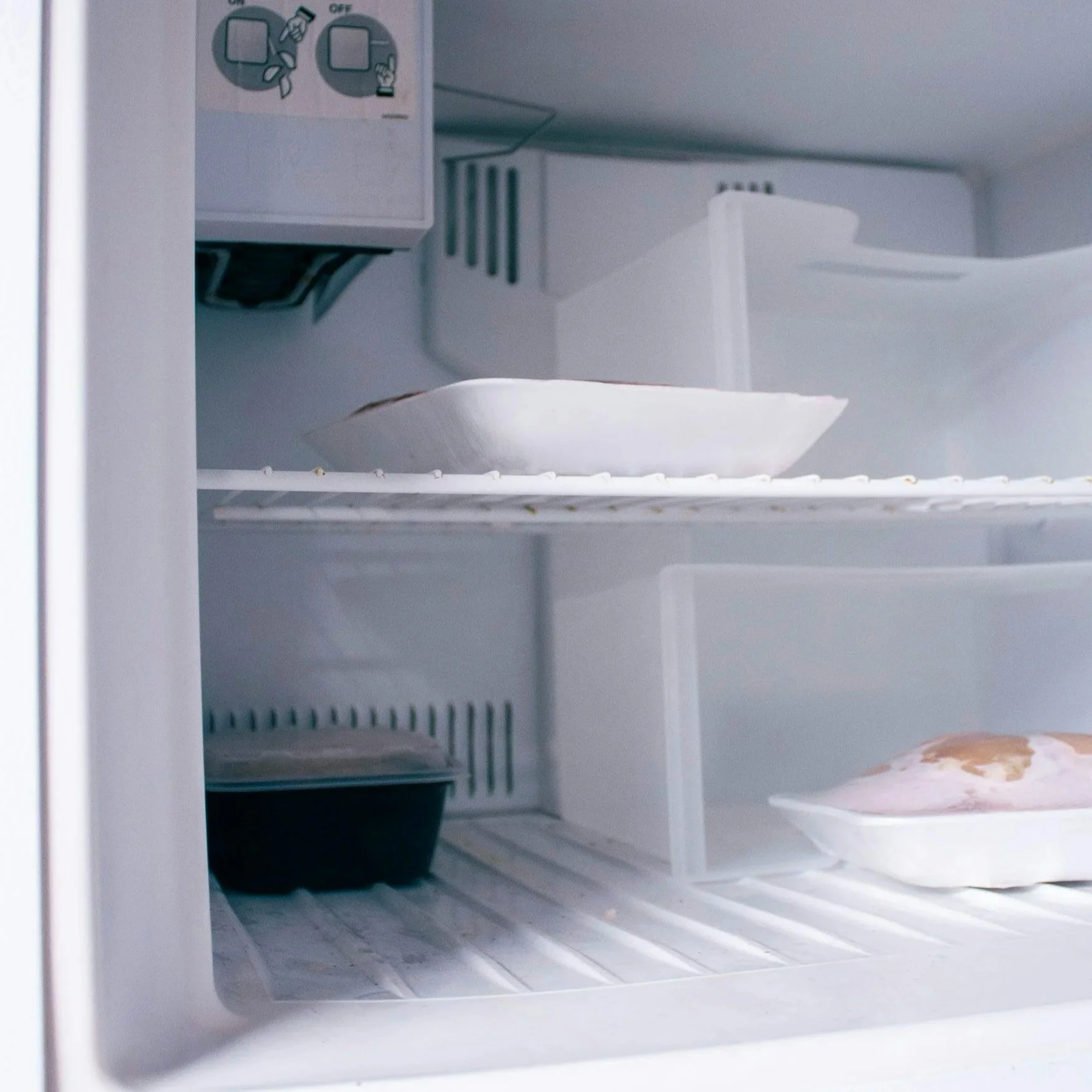
Accurate and timely freezer repair brings everything back into balance, saving more than just frozen peas.
A freezer holds more than food—it protects meals, plans, and peace of mind. When it runs reliably, it preserves leftovers, stores bulk groceries, and supports household routines without fuss. But when the temperature starts to rise, or frost coats everything in sight, that quiet reliability disappears fast. Food loses freshness, energy bills climb, and frustration follows. Accurate and timely freezer repair brings everything back into balance, saving more than just frozen peas.
Freezers operate behind the scenes, cycling quietly to maintain stable temperatures around zero degrees Fahrenheit. That consistency is critical for long-term food storage. When something goes wrong, signs usually show up early. Catching them before full breakdown prevents waste, protects the appliance, and restores dependability.
Common Signs A Freezer Needs Repair
The most obvious clue that a freezer isn't working correctly is thawed or soft food. If items near the front remain cold but not frozen, or if contents in the back show signs of refreezing, temperature stability may be off. In many cases, this points to a failing thermostat, a compressor issue, or blocked airflow.
Frost buildup is another red flag. While a light dusting inside the freezer is normal, thick ice covering the walls or shelves signals trouble. Excess frost often stems from a broken defrost system or a damaged door gasket. When the seal around the door allows warm air to slip in, condensation freezes and accumulates rapidly.
Loud noises also deserve attention. Clicking, humming, or buzzing that didn't exist before could point to a struggling compressor, a worn-out fan motor, or refrigerant imbalances. A freezer that makes constant or sudden noise may already be drifting out of functional range.
Causes Behind Temperature Fluctuations
Consistent cold depends on a few core components. The thermostat senses when to activate the compressor. The evaporator fan circulates cold air throughout the compartment. The defrost system keeps coils clear so air can flow freely. When one of these parts slips out of sync, the result is inconsistent temperatures.
A worn-out thermostat might register the wrong temperature, allowing the interior to warm. A damaged fan can limit airflow, leaving some areas colder than others. If the defrost heater fails, ice may build up around the coils, choking off circulation and pushing the freezer into overdrive.
Timely repair restores the correct operation of these parts. A licensed appliance technician tests each system to identify weak spots before they trigger a full failure.
Preserving Food Quality Through Proper Cooling
Food safety and quality depend on steady temperatures. When a freezer hovers just above freezing, bacteria multiply faster than expected. Texture suffers, flavor fades, and shelf life drops. Even if food doesn't completely thaw, partial defrosting introduces moisture, which can compromise packaging and lead to freezer burn.
Freezer repairs that restore consistent cooling protect both food and budget. The cost of lost groceries often outweighs the price of replacing a sensor, fan, or control board. More importantly, working appliances reduce the risk of tossing out meals that were meant to last.
Efficiency And Energy Waste
A freezer that struggles to maintain cold temperatures works harder than it should. That effort shows up on utility bills. When the system compensates for poor airflow, faulty thermostats, or warm air leaks, it cycles more often and runs longer. Motors wear out faster, and components face added stress.
Accurate repair not only fixes the immediate problem but also restores energy efficiency. Sealing leaks, replacing damaged gaskets, and recalibrating thermostats allow the appliance to maintain proper cooling without excessive runtime. That balance saves energy while extending the life of internal components.
Importance Of Fast Service
Freezers don't offer much warning when temperatures start to climb. In many cases, the damage happens in hours, not days. Frozen meat, dairy products, and prepared meals thaw quickly and, once thawed, often can't be safely refrozen.
Timely service limits the damage. A technician who responds promptly and diagnoses issues accurately helps prevent total food loss. Even if the repair takes place just in time, keeping the temperature within safe margins makes all the difference.
Many appliance repair services offer emergency or same-day visits for exactly this reason. For families who rely on frozen food storage, fast and reliable repair becomes a priority—not a luxury.
Preventive Maintenance Pays Off
Preventing freezer malfunctions begins with regular attention. Checking and cleaning door gaskets helps maintain a tight seal. Vacuuming the coils behind or beneath the unit helps guarantee efficient heat exchange. Keeping vents clear and avoiding overloading the interior promotes proper airflow.
Scheduling periodic maintenance visits adds another layer of protection. Appliance technicians can spot early signs of wear, check refrigerant levels, test components under load, and verify thermostat accuracy. That small investment keeps the system ready for daily use without surprise failures.
Reliable Cold Starts With Targeted Repair
A dependable freezer supports more than frozen storage—it keeps routines running and meals available on demand. When the cold fades or ice builds up, it's a clear signal that help is needed. Accurate, timely repair restores performance, protects food, and saves both money and stress.
By addressing problems as soon as they appear and working with experienced appliance professionals, homeowners can rely on their freezers to work quietly and efficiently—no drama, no waste, just consistent cold right where it's needed.
FAQs
What are some signs my freezer needs professional repair?
Common signs include unexplained leaks, excessive ice buildup, inconsistent temperatures, or the freezer not cooling properly. If the cause is unclear or the unit stops working altogether, a professional can diagnose the issue and recommend the appropriate repair.
How do I know if my freezer needs to be replaced instead of repaired?
The age of the freezer is an important factor. Most units last between 10 and 20 years with proper maintenance. If a repair costs more than about 40 percent of the price of a new appliance, replacement is often the more practical long-term option.
How should I maintain my freezer to reduce repairs?
Regular maintenance helps extend the life of your freezer. Vacuuming the condenser coils twice a year and checking door seals every few months can improve efficiency and prevent common issues from developing.
What is the ideal temperature for a freezer?
The ideal freezer temperature is 0 degrees Fahrenheit. If your freezer runs warmer than that, check the power supply, inspect the door seals, and make sure the thermostat is functioning properly.
Do I need to have my freezer checked by a professional every year?
Annual professional inspections can help extend the lifespan of your appliance, but they are not always required. With consistent maintenance and proper use, many homeowners can delay the need for repairs while keeping their freezer running efficiently.
True Appliance Services is your trusted partner for appliance repair in Maryville, TN, providing dishwasher repair, oven and stove repair, cooktop repair, and freezer repair. Our certified team works with care and attention to detail, delivering repairs that prioritize performance and durability. From urgent issues to routine fixes, we offer clear pricing and reliable service every time. We aim to reduce downtime and keep your home running smoothly. Call now to schedule service. Get your appliances running like new again.
