
The Most Common Mistakes That Ruin Appliances Too Soon
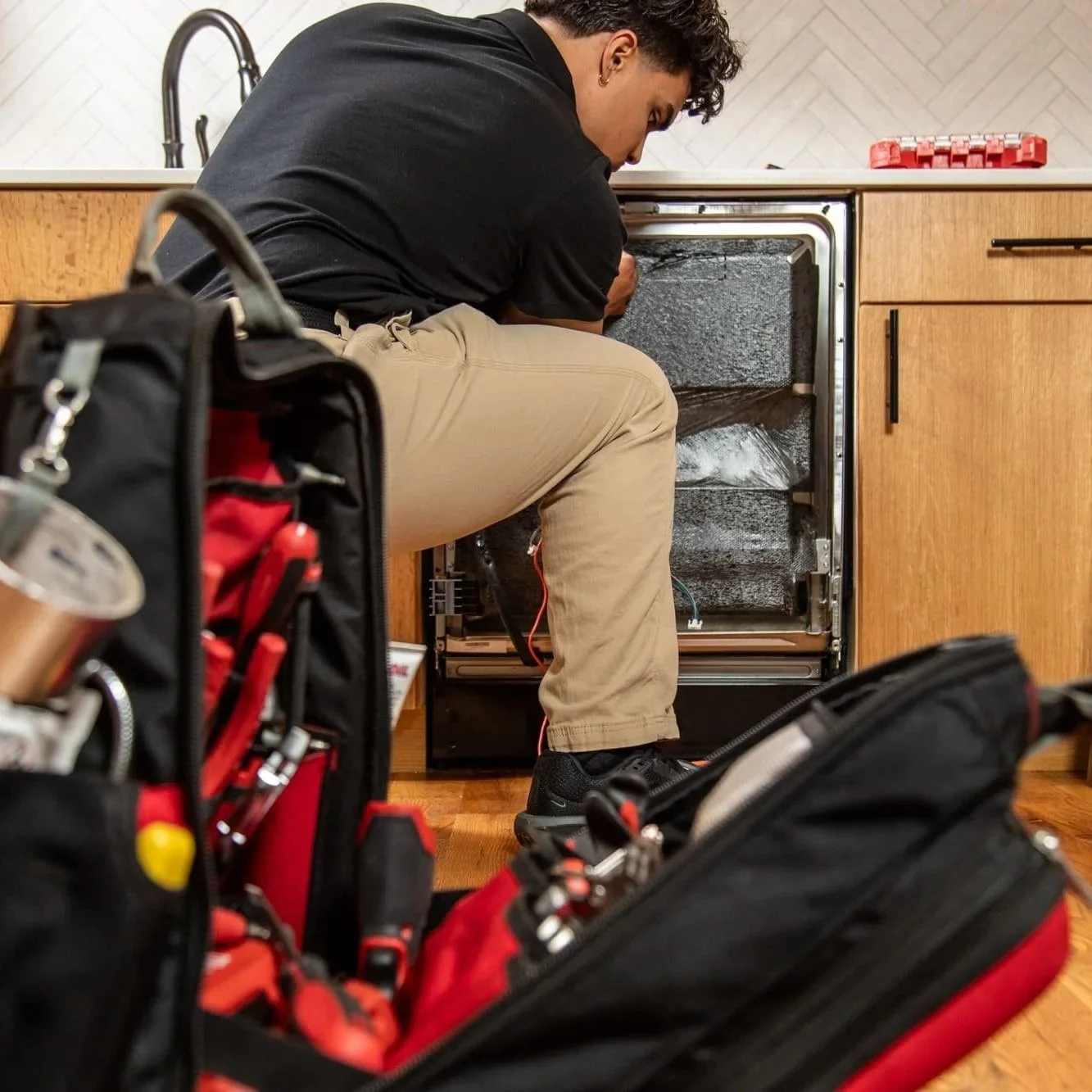
Many of us unknowingly make simple mistakes that shorten the life of these appliances.
Appliances are the unsung heroes of the home, working tirelessly behind the scenes to make our lives easier. However, even the most reliable machines can fail if not treated properly. Many of us unknowingly make simple mistakes that shorten the life of these appliances. From dishwashers to dryers, appliances are built to last—if you know how to care for them. Small changes in habits can help keep them running smoothly for much longer, saving you money and stress.
Overloading Appliances
Overloading is a common mistake that puts unnecessary strain on home appliances. It's tempting to fit just one more dish or another load of laundry into your machine, but doing so often leads to problems. Dishwashers, for example, don't work efficiently if there's not enough room for water to flow freely through all the items. Similarly, overloading your washing machine or dryer can cause increased wear on the motor and internal components.
When washing machines or dryers are overloaded, they often fail to clean or dry clothes properly. In the long run, the motor struggles under the extra weight, leading to premature wear. The same goes for the fridge or freezer, where cramming items in tight spaces can block vents, reduce airflow, and make the appliance work harder than necessary.
Neglecting Regular Maintenance
Many people overlook the significance of routine maintenance for their appliances. Neglecting to clean the filters of your dryer, the coils of your refrigerator, or the air vents of your oven can lead to decreased efficiency and faster breakdowns. A dryer with a clogged vent or filter doesn't just take longer to dry clothes—it can also cause overheating, which is a fire hazard.
Keeping up with simple maintenance tasks can keep appliances functioning optimally for years. It doesn't take much time to clear lint from a dryer vent or wipe down a refrigerator's condenser coils, but neglecting these tasks can lead to costly repairs or premature replacements.
Ignoring Manufacturer Guidelines
Every appliance comes with a manual, and ignoring the manufacturer's instructions can result in more harm than good. These manuals offer valuable information on how to use, clean, and maintain appliances properly. Following the guidelines can make a world of difference in extending the lifespan of your appliances.
For example, dishwashers often recommend specific detergent types and loading patterns to prevent clogs and verify dishes come out clean. Similarly, refrigerators need to maintain a certain temperature range to prevent food spoilage and ensure energy efficiency. Skipping the recommended steps or misusing features can lead to breakdowns that could've been avoided by simply reading and following the manual.
Improper Cleaning Techniques
Cleaning is essential for keeping your appliances in top condition, but improper cleaning methods can do more harm than good. For example, using harsh chemicals on your dishwasher's interior or a metal scrubber on your stovetop can damage surfaces and cause wear over time. It's important to know which cleaning products are safe for each appliance and to follow the recommended procedures to keep them functioning correctly.
For instance, many modern appliances are designed with specific cleaning solutions in mind. Using the wrong cleaner can leave residue that impairs the appliance's performance, forcing it to work harder than necessary. In a washing machine, using too much detergent can cause soap buildup that clogs drains and produces foul odors. Being mindful of cleaning methods and products can help keep your appliances in tip-top shape.
Leaving Appliances Running Unattended
Leaving appliances running when you're not home or leaving them on for too long can cause damage or even a breakdown. Whether it's your dishwasher, washing machine, or oven, leaving them running without supervision can cause unnecessary stress on the motor or other parts. In some cases, it can even result in more serious damage if something goes wrong while the appliance is operating unattended.
A prime example is the dishwasher, which can often develop issues when left running too long or with too many cycles. Overuse over such a short period can cause wear on internal components, potentially leading to leaks or motor malfunctions. Checking that the appliance is functioning correctly during each cycle can help you avoid these issues.
Improper Use of Settings
Many appliances come with a variety of settings designed to improve performance, energy efficiency, and longevity. However, not understanding or using the correct settings can cause unnecessary stress on the appliance. Using the wrong temperature settings for cooking or washing, for example, can reduce efficiency and speed up wear on the appliance.
Washing machines, for example, often have settings for different types of fabric or load size. Using a high-temperature wash for delicate fabrics or overloading the machine with heavy items can strain the motor and damage internal parts. Similarly, adjusting your oven temperature for different types of meals helps prevent damage to the heating elements and reduces energy consumption.
Forgetting About the Warranty
When an appliance breaks down, many people forget that they may still have a warranty that covers repairs. Appliances often come with warranties that can last for years, but failure to maintain them properly or to comply with the warranty terms can void the coverage. If you're having trouble with your appliance, check the warranty first to see if the problem is covered. Many people miss out on free repairs simply because they didn't read the fine print or took too long to address the issue.
Using the warranty appropriately can save you money on repairs or replacement parts and confirm the appliance works well throughout the warranty period.
Not Calling a Professional When Needed
One of the biggest mistakes that people make is attempting to fix appliances themselves when a minor problem arises. While it can seem like an easy way to save money, DIY repairs often cause bigger problems and more expensive repairs down the line. If your appliance is acting up and you're unsure how to handle it, it's always best to call a professional.
Technicians can quickly diagnose issues, repair them properly, and help you avoid further damage. DIY fixes, on the other hand, can sometimes worsen the situation and void warranties, leading to even higher repair or replacement costs.
Conclusion
Taking care of appliances is crucial to keeping them in top condition and preventing early breakdowns. From avoiding overloading to following maintenance guidelines, making small adjustments to your habits can keep appliances running smoothly for much longer. By avoiding common mistakes and focusing on proper care and timely repairs, you can save money, reduce waste, and enjoy the full life expectancy of your appliances.
Remember, small actions today can result in big savings tomorrow. So, keep an eye on how you treat your home appliances—they'll thank you with many more years of reliable service.
True Appliance Services provides a complete solution for professional appliance repair in Maryville, TN, including refrigerator repair, washing machine repair, dryer repair, and dryer vent cleaning. Our certified technicians service household appliances using advanced tools, focusing on accuracy, efficiency, and long-term performance. Whether you need urgent repairs or routine service, we deliver dependable results and quality workmanship. Restore your appliances today and enjoy reliable performance you can trust.
