
Addressing Inconsistent Baking and Temperature Problems
Inconsistent baking doesn’t just affect taste—it affects timing, texture, and the confidence you have in your cooking.
A kitchen is only as dependable as the tools it relies on, and few appliances are as central to cooking success as the oven. Whether you’re baking bread, roasting vegetables, or preparing a holiday turkey, you expect your oven to deliver consistent heat, reliable preheating, and even cooking. When it works properly, it’s a silent partner, quietly ensuring that meals turn out perfectly. But when an oven’s temperature fluctuates or bakes unevenly, that partner becomes unpredictable, leaving you frustrated and scrambling to salvage your dishes.
Inconsistent baking doesn’t just affect taste—it affects timing, texture, and the confidence you have in your cooking. Muffins might come out with burnt edges but a raw center, roasts may cook unevenly, and cookies can end up lopsided. Fortunately, most temperature-related problems stem from a handful of common causes, many of which are identifiable and fixable without needing to replace the entire oven. Understanding these factors is the first step toward regaining reliable performance.
Why Oven Temperature Problems Happen
Temperature problems aren’t always the result of user error. Even the most experienced home cooks can struggle when an oven misbehaves. Both electric and gas ovens rely on a delicate balance of components to maintain a consistent internal temperature. When one element of that balance fails—whether through wear, miscalibration, or obstruction—the oven can no longer maintain a steady environment, which leads to uneven cooking.
Electric ovens depend on heating elements, usually one at the bottom for baking and one at the top for broiling. If either element weakens or develops a hot spot, the oven’s heat distribution becomes uneven. You may notice perfectly browned baked goods on one rack while the tray above remains undercooked.
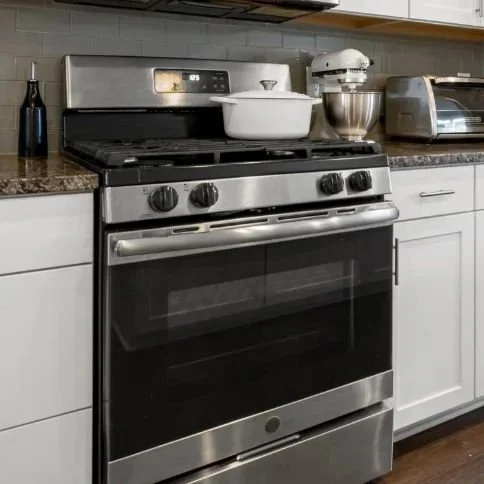
Gas ovens, meanwhile, have their own quirks. They rely on igniters to start the flame and maintain consistent heat. A weak or dirty igniter can delay burner activation, extend preheat times, and create temperature swings. Partial ignition or inconsistent flame patterns can produce “hot” and “cold” zones inside the oven cavity, leaving some areas properly cooked while others remain raw.
Even minor temperature deviations, while sometimes imperceptible at first, accumulate over time and lead to frustrating cooking results. Identifying the root cause requires understanding both the hardware of the oven and how heat behaves inside the cooking cavity.
The Role of Thermostats in Consistent Cooking
At the core of an oven’s temperature regulation is the thermostat. This sensor constantly monitors the oven’s internal temperature and signals the heating element or burner to turn on or off. When the thermostat malfunctions or becomes inaccurate, the oven might cycle too frequently, not enough, or at inappropriate times. The result is inconsistent baking: dishes may appear fine one day and poorly cooked the next, even when following the same recipe and technique.
Thermostat issues are surprisingly common, especially in older ovens. Electric thermostats may fail gradually, producing uneven heat, while gas thermostats may become clogged or misaligned. Regular maintenance and testing can help identify malfunctioning sensors before they significantly affect cooking results.
Heating Elements and Igniters: Common Culprits
In electric ovens, the heating elements are responsible for converting electrical energy into heat. If a bake or broil element begins to degrade, it can produce uneven heating or stop working altogether. A visual inspection often reveals signs of failure, such as blistering, cracks, or burn marks. Replacing a faulty element is usually straightforward and immediately restores performance.
For gas ovens, the igniter is a key player. Even a small delay in ignition can throw off cooking times and temperature stability. Dirty burners or partial flames also create temperature inconsistencies. Gas ovens require periodic inspection to ensure that igniters are clean and functioning properly, and burners are free from debris.
Door Seals and Insulation: Heat Retention Matters
Even if heating elements and thermostats are working perfectly, heat retention plays an equally important role. The oven door gasket seals the cavity, preventing hot air from escaping. A worn, damaged, or loose gasket allows heat to leak out, causing uneven baking and forcing the oven to work harder to maintain the desired temperature. Over time, this not only affects cooking performance but also increases energy consumption.
Insulation inside the oven walls further contributes to consistent heat. While insulation degradation is less common, damage from previous repairs, wear over time, or manufacturing defects can compromise performance. When insulation fails, the oven may struggle to maintain a stable internal temperature, even if all other components are functioning properly.
Calibration: When the Oven Doesn’t Match the Dial
Sometimes, the problem isn’t with the parts themselves but with the oven’s calibration. Even a fully functional appliance may produce internal temperatures that differ from the settings on the dial. For example, setting the oven to 350°F could yield only 325°F in reality. This discrepancy leads to underbaked foods, extended cooking times, or dishes that turn out differently than expected.
Calibration can often be adjusted either by a professional technician or, in some ovens, by the user following the manufacturer’s instructions. Small adjustments in temperature offset can restore accuracy, ensuring that what you set on the control panel matches the actual oven temperature. A properly calibrated oven allows consistent cooking times, even heat distribution, and better overall results.
Using Thermometers as Diagnostic Tools
One of the simplest and most effective ways to monitor your oven’s performance is with an oven thermometer. By placing a quality thermometer inside the cavity during preheating and baking, you get a clear picture of actual temperatures versus set points. Large swings, delays in reaching the target temperature, or persistent gaps between the thermometer reading and the dial indicate a problem that needs attention.
While appliance technicians use advanced diagnostic probes and tools, even a basic thermometer provides valuable insight. Tracking temperature over multiple cooking sessions can reveal patterns that pinpoint whether the issue is with perception, user technique, or mechanical failure.
Repairing the Root Cause
Addressing inconsistent baking starts with identifying the underlying issue. Many temperature problems are traceable to specific, repairable parts. Replacing a faulty thermostat, swapping out a broken heating element, or installing a new door gasket can restore consistent performance without requiring a full oven replacement.
Licensed appliance technicians perform comprehensive inspections, checking electrical connections, control settings, and physical components. They also test the oven under real baking conditions, ensuring that repairs deliver long-term reliability rather than a temporary fix. Professional service also reduces the risk of overlooking hidden issues that could resurface later.
Even older ovens can regain dependable performance with targeted repairs. Many homeowners assume age alone justifies replacement, but in reality, most inconsistencies are fixable with proper attention. A repaired oven saves money, extends appliance life, and restores confidence in your kitchen.
Preventing Future Temperature Problems
Once an oven is operating correctly, ongoing maintenance can prevent recurring issues. Start with the door gasket: inspect it regularly for cracks or looseness, and replace it promptly if damaged. A clean oven is also essential; buildup around sensors, vents, and heating elements can obstruct airflow and reduce efficiency.
User habits matter too. Overloading racks, blocking vents, or slamming the oven door disrupts heat balance. Allowing the oven to fully preheat before cooking and using proper bakeware ensures even results. Following the manufacturer’s usage guidelines supports consistent performance over time.
Scheduling professional servicing every few years is another way to maintain optimal function. Technicians can clean, recalibrate, and test the system, catching minor issues before they affect cooking outcomes. Preventive care not only prolongs the life of the appliance but also reduces the frustration of unpredictable baking.
How Consistent Heat Transforms Cooking
The difference between a reliable oven and a temperamental one extends beyond convenience—it’s a matter of culinary confidence. Consistent heat ensures that cakes rise evenly, casseroles cook through, and roasts emerge tender without guesswork. Reliable ovens allow cooks to focus on technique, creativity, and enjoyment rather than micromanaging temperature swings.
Early attention to inconsistent baking prevents frustration and wasted ingredients. With careful diagnosis, proper repair, and practical maintenance, even older appliances can perform like new. Sometimes, it only takes a little fine-tuning to restore an oven’s reliability and bring back the joy of cooking.
Oven Performance FAQs for Even Baking Results
What causes an oven to bake unevenly?
Uneven baking is often caused by faulty heating elements, miscalibrated thermostats, or airflow obstructions inside the oven. Gas ovens may also have weak igniters or inconsistent flames that create hot and cold spots. Regular inspections and maintenance help identify these issues before they impact results.
How can I check if my oven temperature is accurate?
A reliable oven thermometer provides a clear answer. Place it in the center of the oven while preheating and baking, and compare the readings to the set temperature. Significant differences indicate calibration problems, faulty thermostats, or other performance issues.
Can a worn oven door gasket affect baking results?
Yes. A damaged or loose gasket allows heat to escape, causing uneven cooking, longer bake times, and wasted energy. Replacing the gasket restores proper sealing, stabilizes internal temperatures, and improves overall oven performance.
How often should I have my oven professionally serviced?
Professional servicing every few years is recommended. Technicians clean components, check calibration, inspect heating elements and sensors, and identify small problems before they become major issues, ensuring consistent baking results.
Are all inconsistent baking problems fixable without replacing the oven?
Many issues are repairable by replacing faulty parts like thermostats, igniters, heating elements, or door gaskets. Even older ovens can regain reliable performance through proper diagnosis, repair, and calibration.
True Appliance Services is your trusted partner for appliance repair in Maryville, TN, providing dishwasher repair, oven and stove repair, cooktop repair, and freezer repair. Our certified team works with care and attention to detail, delivering repairs that prioritize performance and durability. From urgent issues to routine fixes, we offer clear pricing and reliable service every time. We aim to reduce downtime and keep your home running smoothly. Call now to schedule service. Get your appliances running like new again.
