
Common Cooktop Issues That Signal The Need For Service
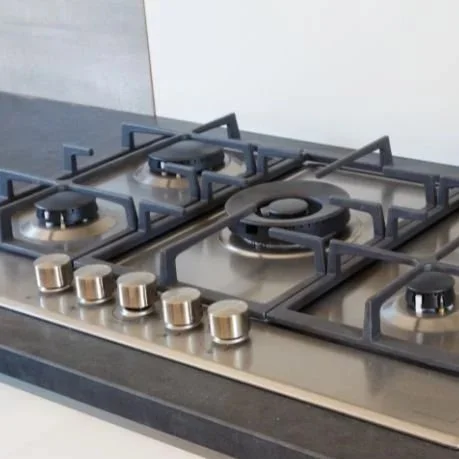
Recognizing these issues early can make the difference between a simple repair and a full-blown replacement.
The cooktop is often the busiest surface in the kitchen. Whether it’s gas or electric, built-in or freestanding, the cooktop plays a starring role in daily meals, quick snacks, and holiday dinners. Over time, signs of wear and malfunction start to show—sometimes subtly, other times not so subtly. Recognizing these issues early can make the difference between a simple repair and a full-blown replacement.
Most cooktop problems develop gradually. Burners take longer to heat, temperature settings become less precise, or one section of the cooktop behaves differently from the rest. These warning signs deserve attention. They don’t always mean disaster, but they almost always mean it’s time to call in a professional for inspection and service.
Burners That Won’t Heat Properly
One of the most obvious signs of trouble is a burner that no longer heats as well as it used to. On electric cooktops, this might look like a burner that stays cold no matter the setting, or one that only heats partially. For gas units, the flame might be weak, uneven, or fail to ignite altogether.
Electric burner issues often stem from faulty elements, damaged switches, or loose wiring. In gas models, the problem usually stems from the ignition system, a clogged burner cap, or a malfunctioning valve. Ignoring the issue usually leads to cooking delays, uneven results, and mounting frustration. A licensed appliance technician can identify the failed part quickly and restore the burner to full function.
Unusual Noises From The Cooktop
Clicking, popping, or buzzing sounds are not part of normal cooktop operation. Continuous clicking on gas cooktops typically indicates a stuck igniter or a damaged spark module. These sounds may persist even when the burner is off, which can be both annoying and concerning.
Electric cooktops may buzz or hum when heating elements wear out or when internal connections become loose. These noises serve as early indicators of a problem within the system. Addressing them before components fully fail helps prevent further damage and unexpected outages during meal prep.
Flames That Appear Yellow Or Orange
A gas flame should burn steadily and blue. When it turns yellow or orange, it’s not just an aesthetic problem—it signals incomplete combustion. That imbalance leads to inefficient fuel use, cooking delays, and in some cases, carbon monoxide production.
This change in flame color may be due to dirty burner heads, blocked air vents, or damaged regulators. Professional cleaning or adjustment corrects airflow and restores proper flame behavior. A technician may also check for gas leaks or pressure inconsistencies to make sure the system operates safely.
Cooktop Surface Damage Or Cracks
Glass and ceramic cooktops look sleek and modern, but they require care to maintain performance. Cracks, chips, or discoloration aren’t just cosmetic—they often indicate internal stress or heat damage. A crack across the cooking surface can interfere with heating patterns and expose internal wiring.
In some cases, the cooktop remains functional, but using it in that condition increases the risk of electrical issues or complete failure. Surface damage may also compromise insulation layers beneath the glass. A qualified technician can determine whether the cooktop needs a full replacement or whether specific components can be replaced safely.
Inconsistent Temperature Control
When settings don’t match results, something inside the cooktop has likely failed. This might mean a burner that runs hot even on low, or one that struggles to boil water at its highest setting. For those using induction or digital controls, flickering displays or unresponsive buttons often accompany these performance dips.
Faulty switches, failing thermostats, or sensor malfunctions are usually the cause of temperature inconsistencies. Digital control panels, in particular, require professional tools to diagnose correctly. Restoring proper temperature control improves cooking precision and reduces the risk of scorching or undercooking meals.
Electric Cooktop Not Responding
When an electric cooktop doesn’t respond at all—no lights, no heat, no activity—the issue could be internal or external. Tripped circuit breakers, blown fuses, or disconnected power lines are common starting points. If those check out, the problem likely resides within the cooktop’s internal wiring or control board.
Licensed technicians test voltage and continuity to isolate the fault and make safe repairs. With electric appliances, it’s never worth the risk of guessing. A professional diagnosis prevents injury and saves time.
Smells Of Gas Or Burning
A persistent gas smell near the cooktop demands immediate attention. While some gas odor during ignition is normal, a persistent smell suggests a leak or an improperly shut-off valve. Likewise, burning smells from electric cooktops often point to melting components, faulty wiring, or short circuits.
Shutting off power or gas and contacting a technician is the best course of action. These smells don’t resolve on their own, and they often escalate if ignored. Safety should always take priority when these warning signs appear.
Cooktop Warning Lights Or Error Codes
Modern cooktops often include warning indicators or digital error codes. These messages help pinpoint problems ranging from overheating sensors to locked controls or component failures. While it’s tempting to ignore blinking lights if the cooktop still functions, these signals exist for a reason.
Consulting a technician who understands the appliance model and its diagnostics ensures the correct issue is addressed. Early intervention can prevent future breakdowns and extend the cooktop’s service life.
Keeping The Cooktop Reliable
Cooktops play a vital role in everyday cooking. When problems begin to show, acting early helps avoid bigger disruptions. Whether it’s a burner that lags or a flame that changes color, each symptom reveals something about the appliance’s health.
Regular cleaning, careful use, and prompt repairs keep cooktops operating safely and efficiently. When issues arise, professional service brings lasting solutions—restoring confidence and making every meal a little easier to manage.
As a trusted appliance repair provider in Maryville, TN, True Appliance Services offers comprehensive solutions, including dryer repair, dryer vent cleaning, dishwasher repair, oven and stove repair, and cooktop repair. Our skilled team works with precision to restore proper functionality while maintaining high service standards. From minor issues to major repairs, we deliver honest pricing and clear communication every step of the way. Book your appointment today.
