
Front-Load vs. Top-Load Washers and Which One Breaks Down Faster
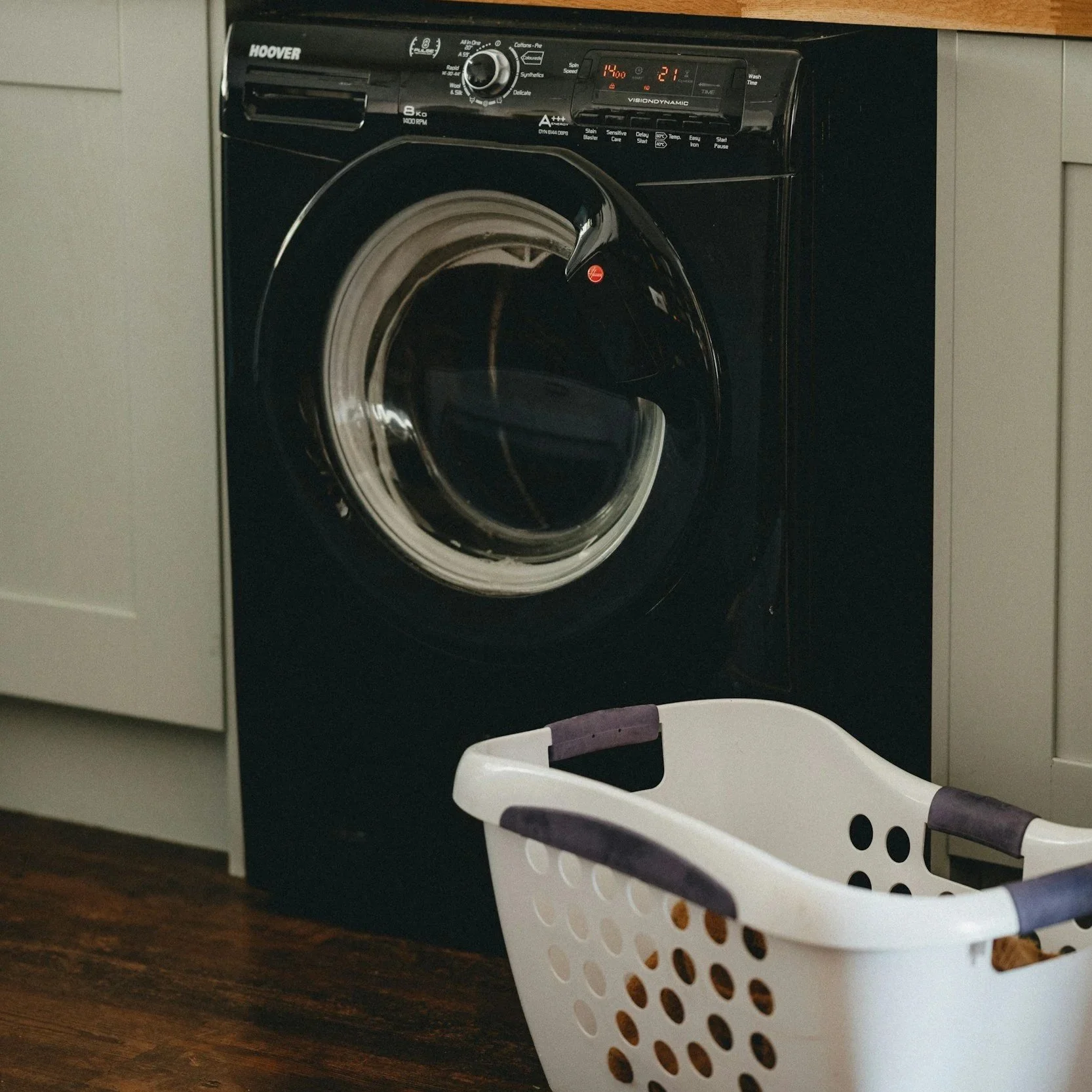
If you're in the market for a new machine, it's important to consider not just performance but also longevity and the likelihood of breakdowns.
Choosing between a front-load and a top-load washing machine is no small task. Both types of washers have their own advantages and quirks. If you're in the market for a new machine, it's important to consider not just performance but also longevity and the likelihood of breakdowns. The truth is, one might be more likely to give you trouble in the long run, and understanding the differences can help you make a more informed decision.
The Pros and Cons of Front-Load Washers
Front-load washers have become the modern standard, largely due to their efficiency and sleek design. They offer a high spin speed, meaning clothes come out drier, which can help reduce drying time and energy use. Their water efficiency is another big plus. The washing drum in a front-loader tumbles clothes through less water, using much less than a top-load washer. This translates to lower water bills and less environmental impact.
However, there's a flip side to their sleek and efficient appearance. Front-load washers tend to have more complex internal mechanisms. While the drum and other components are designed for efficiency, their design can sometimes lead to mold and mildew issues. The door seal around the front is more prone to collecting moisture, and if not properly maintained, it can cause unpleasant odors and even mold buildup. Regular cleaning of the door seal and leaving the door slightly open between washes can help, but it's a maintenance task that top-load washers don't require.
Additionally, the suspension systems in front-load washers are known to wear out faster than those in top-load machines. Over time, this can lead to excessive shaking or unbalanced loads. When suspension springs or dampers start to fail, the machine will vibrate loudly, accelerating wear. These issues typically occur within five to seven years, making them a potential long-term concern for front-load owners. Repairing these systems can be costly and complicated, requiring professional attention.
Top-Load Washers: The Classic Workhorse
Top-load washers have been around for decades, and they've built a reputation for being sturdy, reliable, and easy to maintain. Their simple design and more straightforward mechanics make them less likely to break down compared to their front-load counterparts. Top-load washers don't suffer from the same mold and mildew problems because they don't have that tight door seal that front-loaders do. Additionally, they tend to be more user-friendly and require less maintenance.
One of the key advantages of top-load machines is their speed. They often take less time to complete a cycle than front-load machines, making them a go-to for quick washes. They also don't suffer from issues with unbalanced loads as frequently, as their agitator keeps everything in motion. This can translate into fewer mechanical failures over the life of the machine.
However, top-load washers do have their drawbacks. The agitator's design can be harsh on clothing, leading to increased wear over time. Moreover, they typically use more water than front-loaders. While this isn't a major concern for some users, it can lead to higher water bills over time. As far as breakdowns go, the more straightforward design of top-load washers can make repairs easier and cheaper, but it doesn't necessarily mean they are less prone to issues.
The Breakdown: Which One Is More Prone to Malfunctions?
So, which machine is more likely to break down faster? In general, top-load washers tend to break down less frequently than front-load models. Their simpler design and fewer moving parts mean there's less that can go wrong. However, that doesn't mean top-load washers are immune to problems. Issues like faulty agitators, problems with the spin cycle, or motor malfunctions can still occur.
Front-load washers, on the other hand, are more prone to specific issues over time. The complexity of their design, particularly the suspension system and the seal around the door, means these washers require more upkeep. The good news is, if maintained well, front-load washers can last just as long as top-load washers—typically around ten to fifteen years. But failing to clean and care for the door seal, or to address vibration issues early, could lead to premature breakdowns and costly repairs.
Ultimately, the likelihood of breakdowns depends on how well you maintain the machine, how often it's used, and the specific model you purchase. Front-load machines offer incredible efficiency and excellent cleaning performance, but they require a bit more care to keep running smoothly. Top-load washers are often more forgiving, but they may not deliver the same level of efficiency or gentle cleaning for delicate fabrics.
Choosing the Right Machine for Your Home
While both types of washers have their merits, the decision largely depends on your priorities. If you're looking for a machine that saves water and energy while offering a sleek, modern design, a front-load washer might be the right choice. Just be ready for a little extra maintenance to avoid the common pitfalls.
If you value simplicity and reliability with fewer maintenance requirements, a top-load washer might be more up your alley. It's a classic choice that has stood the test of time and remains a favorite among those who don't want to fuss with extra care and upkeep.
Either way, washing machines can experience issues over time, and regular maintenance is key to preventing major breakdowns. If you notice your machine is vibrating more than usual, making strange noises, or not spinning properly, it might be time to call in a professional for home appliance repair. Catching small issues early can save you significant money in the long run.
In the end, whether you choose a top-load or front-load washer, understanding potential breakdowns and maintenance needs will help you make the most informed choice. Both have their strengths and weaknesses, but with the right care, either type can serve your home for many years to come.
With years of hands-on experience, True Appliance Services provides expert appliance repair in Maryville, TN, covering ice maker repair, range hood repair, refrigerator repair and washing machine repair. Our skilled technicians use proven methods to ensure every repair is done right the first time. From regular upkeep to more involved fixes, we offer dependable service and consistent quality. Contact us today for a service you can trust.
