
Improving Dryer Performance By Addressing Heat And Drum Issues
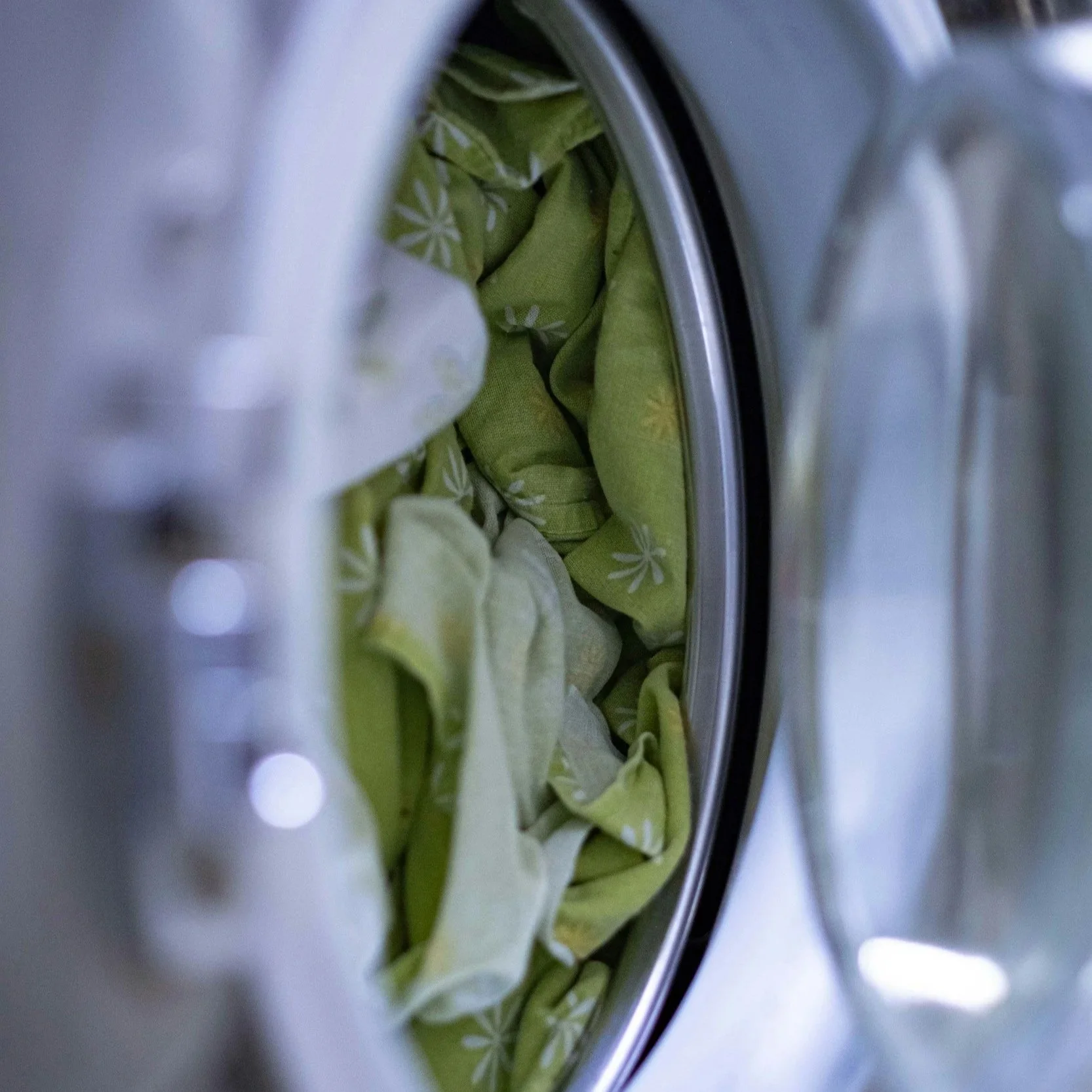
Dryers are straightforward in concept but rely on precise coordination between heating elements, airflow, drum rotation, and control timing.
A dryer that doesn’t dry clothes properly can throw a wrench in any routine. Whether laundry piles up or drying cycles stretch longer than expected, performance issues often point to two key components: heat and drum function. When either falters, efficiency drops fast. Addressing these core problems restores dependable drying and helps prevent long-term damage to the appliance.
Dryers are straightforward in concept but rely on precise coordination between heating elements, airflow, drum rotation, and control timing. When any one of these systems lags, the results show up in damp clothes, odd noises, or energy bills that creep higher. Fortunately, most heat and drum issues are both recognizable and repairable.
Spotting Heat-Related Problems
The heat source inside a dryer provides the machine with its power. No matter how long the drum spins, without proper heat, clothes stay cold and damp. Dryers, depending on the model, use electric heating elements or gas burners to generate warm air that flows through the drum and evaporates moisture from the fabric.
Common heat-related problems include faulty heating elements, blown thermal fuses, and malfunctioning thermostats. In gas dryers, issues with the igniter or gas valve solenoids can interrupt the heating cycle. These components fail for a variety of reasons—wear over time, blocked airflow, or internal shorts.
When a dryer suddenly runs cold, the heating element is often the first place to look. An element that has snapped or degraded over time can no longer generate consistent heat. In electric models, technicians use continuity testing to confirm whether the element is still functional. In gas models, a visual check of the igniter and burner assembly can quickly reveal if the heating cycle is initiating properly.
Airflow And Ventilation Factors
Heat alone doesn’t dry clothes—airflow plays a key role in carrying moisture away from the drum. Even when the heating element functions as designed, restricted airflow can lead to lukewarm drying or safety shutoffs. Clogged lint traps, crushed vent ducts, and external vent blockages create resistance that traps hot air inside the dryer.
Dryers are built to protect themselves from overheating. When sensors detect excessive heat buildup, they interrupt the cycle. That leads to shortened dry times, frequent pauses, or cycles that end with clothes still damp. Licensed technicians clear blockages, inspect ducting, and test airflow pressure to restore proper ventilation.
Keeping the lint filter clean after every load helps maintain airflow, but periodic deep cleaning of vent lines makes a bigger difference. Professional dryer vent service clears stubborn buildup and restores full system function, often improving both drying speed and safety.
Understanding Drum Function
The drum is the heart of the drying process, tumbling clothes to expose every surface to warm air. Without consistent rotation, fabric bunches up and dries unevenly. Towel corners stay wet while socks overheat. Odd thumping, grinding, or squealing often indicates drum issues that warrant attention.
Common problems with the drum include worn-out drum rollers, damaged bearings, broken drive belts, and faulty motor components. These parts work together to keep the drum turning smoothly under a variety of loads. When the belt slips or the motor struggles to engage, the drum can stop mid-cycle or spin with reduced force.
Dryer drum belts wear down over time, especially under heavy use. A belt that looks frayed, stretched, or cracked can no longer maintain tension. Replacing a worn belt is a straightforward repair for a technician, and often restores full rotation immediately. If the belt checks out, the motor capacitors and pulley assemblies are next on the inspection list.
Noise As A Diagnostic Tool
Dryers rarely go silent when something’s wrong. Noises such as screeching, thumping, or metallic scraping often point directly to drum-related wear. Drum glides and support rollers take the brunt of the load every time the dryer runs. Over time, these parts wear down, and the drum begins to move out of alignment.
Ignoring noise in hopes it will fade with time rarely works. Worn components can add stress to the motor or mounting brackets. Early intervention extends the lifespan of internal parts and keeps the appliance running without excess strain.
When To Bring In A Technician
Dryer performance issues often start with small signs. Clothes that take longer to dry, cycles that stop prematurely, or a faint burning smell near the end of a load all hint at deeper issues. DIY troubleshooting may work for clogged filters, but complex repairs involving heating systems, drum mechanics, or electrical components are best left to professionals.
Licensed appliance technicians use tools and training to pinpoint problems without guesswork. They test circuits, disassemble housings without damaging parts, and reinstall components to factory specifications. That means not only faster fixes, but safer operation once repairs are complete.
Long-Term Benefits Of Timely Repair
Restoring heat and drum function doesn’t just make laundry day smoother. It protects clothing from over-drying or uneven heating, extends the life of the dryer, and keeps utility costs in check. A well-maintained dryer uses less energy, performs better, and rarely needs emergency repairs.
Routine service calls can also prevent fire hazards. Lint accumulation, overheated components, and ventilation blockages are among the leading causes of dryer-related fires. Periodic inspections and part replacements turn a routine repair into a long-term investment in home safety.
Dryers may not get the spotlight in a home, but they hold their own as workhorses of modern convenience. Addressing heat and drum issues early keeps them spinning smoothly, load after load.
As a trusted appliance repair provider in Maryville, TN, True Appliance Services offers comprehensive solutions, including dryer repair, dryer vent cleaning, dishwasher repair, oven and stove repair, and cooktop repair. Our skilled team works with precision to restore proper functionality while maintaining high service standards. From minor issues to major repairs, we deliver honest pricing and clear communication every step of the way. Book your appointment today.
