
How Often Should You Really Clean Your Dryer Vent?
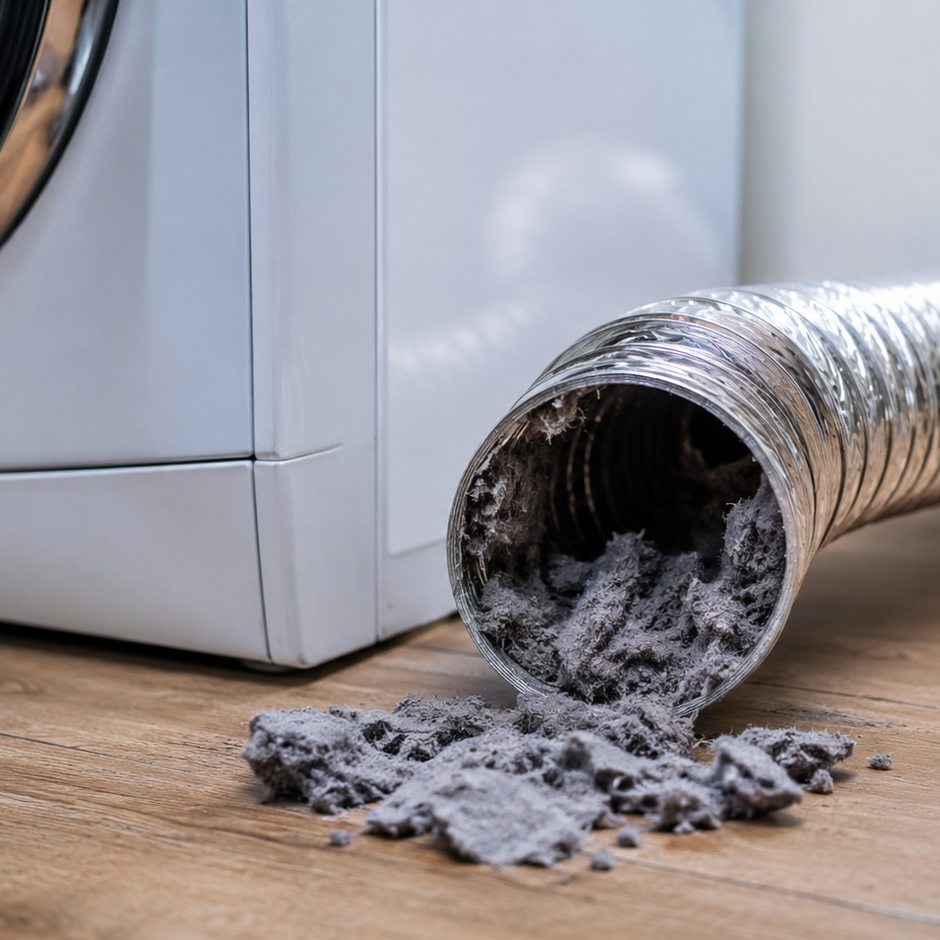
Quick Answer: Clean the lint screen every load, and have the full dryer vent and exhaust duct cleaned at least once a year for a typical household. Clean it more often — every six months or so — if you do a lot of laundry, have a large family, have a long or winding vent run, or dry pet bedding and heavy items frequently. Watch for warning signs that it's overdue: clothes taking longer to dry, the dryer running hot, a burning smell, or weak airflow at the outside vent. Regular cleaning prevents fires, lowers energy use, and extends the dryer's life.
Cleaning the dryer vent is one of those household tasks that's easy to forget precisely because the dryer keeps working even when the vent is dangerously clogged — right up until it doesn't. Unlike a leak you can see, lint buildup hides inside the ductwork, quietly restricting airflow and accumulating fuel for a fire. Knowing how often to clean it and recognizing the signs that it's overdue turns an invisible risk into a simple, manageable routine.
Why Vent Cleaning Isn't Optional
Every time you run the dryer, tiny fibers escape the lint screen and settle in the vent hose and exhaust duct. Over months, that lint accumulates and narrows the airflow path. Two bad things follow. First, the dryer can't exhaust moist air efficiently, so clothes take longer to dry, and the appliance works harder. Second — and more seriously — lint is highly flammable, and a duct packed with it, combined with the heat a dryer produces, is a genuine fire hazard. Dryer vent fires are a well-known and largely preventable home danger, and the prevention is simply keeping the vent clear.
The General Schedule
For most homes, the guideline is simple and easy to remember: clean the lint screen before or after every load, and have the full vent system cleaned at least once a year. Building those two habits into your laundry routine covers the large majority of the risk for a typical household. The every-load screen cleaning catches the bulk of the lint at the source; the annual vent cleaning clears what gets past it and collects deeper in the ductwork. For an average household with typical laundry habits, once a year keeps the system safe and efficient.
But "once a year" is a baseline, not a universal rule. How often you actually need it depends on how hard your dryer works and how your vent is set up.
When You Need to Clean It More Often
Several factors push the schedule toward every six months — or even more frequently.
| Factor | Why it means more frequent cleaning |
|---|---|
| High laundry volume/large family | More loads means lint builds up faster |
| Long or winding vent run | More distance and bends trap more lint |
| Drying pet bedding, blankets, heavy items | These shed far more lint than normal loads |
| An older or struggling dryer | Already working hard; airflow matters more |
| Frequent use of dryer sheets | Can leave residue that adds to buildup |
A big family running multiple loads a day will accumulate lint far faster than a single person doing laundry weekly. A long, twisting vent duct — common in some homes — traps more lint than a short, straight run. And drying lint-heavy items like pet bedding, comforters, and towels regularly adds up quickly. If several of these apply to you, plan on cleaning more often than once a year.
The Warning Signs It's Overdue
Your dryer will tell you when the vent is clogging if you know what to watch for. The clearest signs are clothes taking longer than usual to dry or needing more than one cycle; the dryer, the clothes, or the laundry room feeling unusually hot; a burning or musty smell during operation; and weak or no airflow at the outside vent flap when the dryer's running. Excess lint appearing around the lint screen area or behind the dryer is another clue. Any of these means the vent needs attention now, regardless of when you last cleaned it.
If your dryer is running very hot, taking multiple cycles to dry, or giving off a burning smell, treat it as urgent — these are signs of a dangerously clogged vent that can lead to a fire. Stop using the dryer until the vent is cleared. Don't wait for the next scheduled cleaning.
What Cleaning Involves
A thorough vent cleaning goes beyond the lint screen. It means disconnecting and clearing the vent hose behind the dryer, cleaning the full length of the exhaust duct out to the exterior vent, and making sure the outside flap opens freely. For a short, accessible vent, a careful homeowner can handle it with a vent brush kit. For a long, winding, or hard-to-reach duct — or if you're seeing warning signs and want it done thoroughly — a professional cleaning ensures the entire run is clear, which is both safer and more effective. Pairing vent cleaning with a quick check of the dryer's performance also catches developing problems early.
Frequently Asked Questions
For a typical household, clean the lint screen every load and have the full vent and exhaust duct cleaned at least once a year. Clean more often — roughly every six months — if you do heavy laundry volume, have a long or winding vent, or frequently dry lint-heavy items like pet bedding and comforters. The annual baseline keeps most homes safe, but heavier use calls for more frequent cleaning.
Lint keeps accumulating in the duct, progressively restricting airflow. Clothes take longer to dry, the dryer overheats and works harder (raising energy use and wearing out the appliance), and, most seriously, the flammable lint, combined with trapped heat, becomes a real fire hazard. Neglected dryer vents are a leading cause of dryer fires, which is why regular cleaning is considered essential home maintenance rather than an optional chore.
The common signs are clothes taking longer to dry or needing multiple cycles, the dryer or laundry room getting unusually hot, a burning or musty smell while running, and weak airflow at the outside vent flap. You might also notice extra lint around the screen or behind the dryer. Any of these indicates the vent needs cleaning promptly, since a clogged vent is both inefficient and a fire risk.
For a short, straight, accessible vent, a careful homeowner can do a good job with a vent brush kit — disconnecting the hose and clearing the duct to the outside. For a long, winding, or hard-to-reach vent run, or if you're seeing warning signs, a professional cleaning ensures the entire duct is thoroughly cleared, which matters for both safety and performance. The harder your vent is to access, the more sense professional cleaning makes.
No — they're two different tasks. Cleaning the lint screen every load catches most of the lint at the source and is essential, but fine lint still gets past it and collects deeper in the vent duct over time. The full vent system needs periodic cleaning to clear the deeper buildup. Doing the screen faithfully helps, but it doesn't eliminate the need for regular full-vent cleaning.
Make It a Routine, Not an Afterthought
Cleaning your dryer vent is simple, but the schedule matters: lint screen every load, full vent at least once a year, and more often if you do heavy laundry, have a long vent run, or dry lint-heavy items. Just as important is heeding the warning signs — long drying times, excess heat, or a burning smell mean clean it now, not later. Staying on a regular schedule keeps your clothes drying efficiently, lowers your energy use, extends the dryer's life, and most of all prevents a fire risk in your home.
Dryer taking longer or running hot? — Get your vent and dryer checked and cleaned by certified local technicians for safety and efficiency. True Appliance Services Inc. serves Maryville, Alcoa, Knoxville. Call (865) 205-8717.
