
Why Does Your Dishwasher Smell Bad? 5 Real Culprits
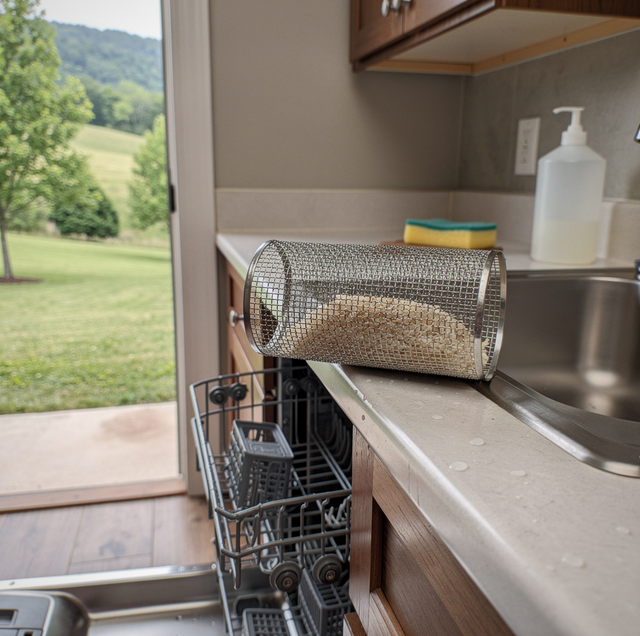
A dishwasher that finishes a cycle smelling like spoiled food or standing water, instead of the faint clean scent it is supposed to leave behind, is one of the most common complaints in this business, and the dishes themselves are almost always the wrong place to look for the cause. That disconnect, a machine that looks clean but smells like it is not, almost always comes down to something trapping organic matter or bacteria in a spot the wash cycle does not fully reach.
Why a Dishwasher Can Smell Even When It Looks Clean
A dishwasher's job is to spray hot, pressurized water and detergent across every surface inside the tub, then drain that dirty water completely between cycles. Odor occurs when either of those two steps fails somewhere out of sight: food particles that never get flushed out sit in warm, damp conditions and begin to break down, or water that should have drained completely leaves a thin film behind that dries into a breeding ground for bacteria and mold. The tub itself is rarely the actual source. The smell is coming from one of a handful of specific spots that trap moisture and organic debris between cycles.
The Filter Is the Most Common Source
At the bottom of the tub, under the lower spray arm, most modern dishwashers have a removable filter assembly that catches food particles so they do not recirculate onto clean dishes. That filter is designed to be pulled out and rinsed periodically, but most owners never touch it. Over weeks of normal use, grease, softened food, and grit pack into the mesh and the small well beneath it, and that trapped material sits wet between cycles and starts to smell exactly like what it is: decomposing food debris. This single spot causes more dishwasher odor complaints than all other causes combined, and it is also the easiest to fix.
The Drain Hose and Air Gap Trap Odor Too
The corrugated hose that carries wash water out to the drain or garbage disposal can hold a coating of grease and food residue inside its rigid walls, a coating that a normal wash cycle's water flow moves past too quickly to actually flush clean. If your dishwasher connects to a garbage disposal, a plug of food in the disposal's grinding chamber can also trap dirty water near the connection point, producing a sulfur or rotten-egg smell that seems to come from the dishwasher but actually originates in the disposal. And if your sink has an air gap, the small chrome cylinder on the counter near the faucet, debris trapped inside that fitting produces its own distinct musty smell, often worse right when you first open the dishwasher door.
Hard Water Buildup Gives Bacteria Somewhere to Hide
East Tennessee's hard water leaves mineral scale on every interior surface the wash water touches: the spray arm nozzles, the door gasket, the tub walls, and the heating element at the bottom of the tub. That mineral film is not smooth, and its microscopic texture gives bacteria and mold far more surface area to cling to than a smooth, scale-free surface would. A dishwasher running in hard water for years without periodic descaling can develop an odor from bacterial growth in the scale layer, even when the filter and drain are both clean. That is why a monthly hot cycle with a dishwasher-safe descaling product matters as much as filter maintenance.
The Door Gasket Traps Moisture Between Uses
The rubber gasket that seals the door closed sits in a fold that rarely dries out completely between cycles, especially in a kitchen that runs the dishwasher daily. Food splatter and detergent residue collect in that fold, and because it stays damp far longer than any other surface in the machine, it becomes an easy spot for mildew to take hold. This is the source people miss most often because it is hard to see without pulling the gasket lip open and looking into the channel behind it.
A Quick Reference: Smell to Likely Source
| What it smells like | Most likely source | What to check |
|---|---|---|
| Rotten food, garbage | Clogged filter | Remove and rinse the filter and its well |
| Rotten eggs, sulfur | Disposal or drain hose | Run and clear the disposal first |
| Musty, mildew | Door gasket fold | Pull the gasket lip open and wipe the channel |
| Stale, chemical | Detergent buildup in dispenser | Clean the dispenser cup and its spring hinge |
| Burning plastic | Item melted against heating element | Inspect the bottom of the tub for melted debris |
What You Can Clean Yourself
Pull the filter assembly out (most twist counter-clockwise a quarter turn) and rinse it under running water while scrubbing the mesh with an old toothbrush until no film remains. Run the garbage disposal for 30 seconds before starting the dishwasher if the two share a drain connection, since a clear disposal inlet lets wash water drain fully rather than backing up. Wipe the door gasket fold with a damp cloth and a small amount of dish soap, working your finger into the channel behind the visible rubber lip where residue actually collects. Run an empty hot cycle with a dishwasher-safe descaling product every four to six weeks in hard water areas to prevent mineral scale from becoming a permanent home for bacteria.
When the Smell Means Something Beyond Cleaning
If you have cleaned the filter, the disposal connection, and the gasket and the smell persists, especially a smell that shows up only during the wash or drain portion of the cycle rather than lingering between cycles, the issue has likely moved from a cleaning problem to a mechanical one. A drain pump that is not fully clearing water leaves standing water in the sump between cycles even when the filter is spotless, and standing water always smells within a day or two. A heating element with melted plastic debris fused to it will emit a distinct scorched-plastic odor that no amount of cleaning will resolve, since the source is physically bonded to the element.
Frequently Asked Questions
Yes, with regular overuse. Vinegar's acidity can degrade rubber gaskets and certain plastic components over repeated use, so it is better reserved for an occasional deep clean rather than a weekly routine; a dishwasher-safe descaling product designed for the appliance is gentler on the rubber seals for regular maintenance.
Yes, and it is one of the simplest habits available. Leaving the door open an inch or two after the final cycle lets trapped humid air escape instead of condensing inside the tub, which reduces the damp conditions that let mildew take hold in the gasket and tub seams.
New machines sometimes retain a chemical or plastic smell from manufacturing residue on internal components, which usually fades within the first several cycles. If a food or sulfur smell appears in a machine less than a few months old, check the drain hose installation for a missing high loop or air gap, since an improperly installed drain line can allow sink water to siphon backward into a brand-new machine.
Not if the tub has a stainless steel interior, since chlorine bleach can pit and discolor stainless surfaces and gaskets with repeated use. Check your owner's manual first, and if bleach is not recommended for your model, a citric acid-based descaling product handles bacterial buildup without that risk.
Indirectly, yes. A valve that lets water trickle in slowly between cycles rather than sealing fully keeps the tub floor perpetually damp, giving bacteria a constant moisture source even after the filter and gasket have been cleaned. A technician can test the valve for a slow leak with a simple pressure check.
The detergent dispenser's spring-loaded door and its hinge trap dried detergent residue that can smell stale or chemical over time. Wiping that cup and hinge with a damp cloth every few weeks, separate from the filter cleaning, keeps that specific source from building up unnoticed. That same residue can also stiffen the spring enough that the door does not pop open fully during the wash. Hence, a dispenser that smells stale is often quietly under-releasing detergent too, showing up as a filmy residue on dishes that looks like an unrelated problem.
A dishwasher that smells bad is rarely actually dirty in the way the tub appears; the real source is nearly always tucked into one of a few specific spots the daily wash cycle brushes past but never fully flushes. Working through those spots in order, filter first, then drain connection, then gasket, then mineral buildup, solves the great majority of cases without ever needing a technician.
Schedule a dishwasher diagnostic — find the real source of the smell for good. True Appliance Services Inc. serves Maryville, Alcoa, and Knoxville. Call (865) 205-8717.
