
Why Is My Dryer Not Drying Clothes? 7 Reasons to Check
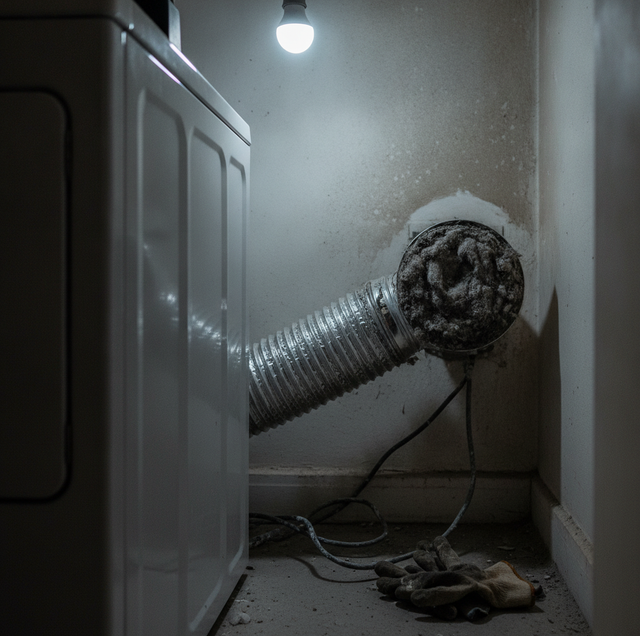
A dryer that hums along for a full cycle and then hands you a pile of clothes that are still cool and damp is one of the more frustrating machines to troubleshoot, because everything looks like it is working. The drum spins, you can hear the motor, and yet the laundry never gets dry. Almost always, the problem falls into one of three buckets: air is not moving through the machine, the machine is not making heat, or the load itself is fighting the drying process. Sorting out which bucket you are in is the whole job, and most of it you can check without any tools.
Quick Answer: A dryer that runs but leaves clothes damp usually has an airflow, heat, or load problem. The single most common cause is a clogged lint filter or a blocked vent duct that traps moist air inside the drum. Check the lint screen and the vent to the outside first, confirm the machine actually gets hot, and make sure you are not overloading it or using a no-heat cycle.
Match the Symptom to the Cause First
Before you open a single panel, pay attention to how the failure feels, because the symptom points straight at the cause. A dryer with an airflow problem runs long and hot: the drum feels warm, sometimes uncomfortably so, but the clothes stay damp, and the cycle seems to go on forever. A dryer with a heat problem tumbles the clothes cold, so they come out roughly as wet as they went in, just fluffed. A dryer with a load or setting problem gets the outer clothes dry while the ones packed in the center stay soggy, or it shuts off after only a few minutes. Those three patterns rarely overlap, so notice which one matches before you start chasing parts.
Clogged Lint Filter or Blocked Vent Duct
This is the number one reason a dryer stops drying, and it is worth understanding why. A dryer does not really dry clothes by heating them so much as by pushing warm air through the tumbling laundry, picking up the water as vapor, and carrying that wet air out of the house through a duct. When the lint screen is caked, or the vent duct to the outside is packed, kinked, or crushed, that moist air has nowhere to go. It circulates back through the drum instead of leaving, so the clothes never actually lose their water, even though the machine feels hot and runs for an hour or more.
The lint screen is the easy part: pull it out and clean it every single load, and once in a while, wash it with a little soap and water to strip off the invisible film that fabric softener leaves behind. The vent duct is the part people forget, and it is the most important one. Lint slips past the screen and slowly builds up in the flexible hose behind the dryer and in the rigid duct that runs to the wall vent outside. That buildup chokes airflow and is also the reason dryers catch fire, so it is not a minor housekeeping item.
No Heat at All
If the clothes come out cold rather than warm and damp, the heat source has failed, and airflow is not your problem. On an electric dryer, no heat usually traces to a blown thermal fuse, a burned-out heating element, or a tripped thermal cutoff that shuts the heat down after an earlier overheat. On a gas dryer, the culprit is generally a weak or dead igniter or a failed gas valve coil that will not let the burner light. In every one of these cases, the drum still turns because the motor is on a separate circuit from the heat, which is exactly why the machine looks fine while producing zero warmth. Heating elements, thermal fuses, igniters, and anything touching the gas line are technician work, not a homeowner's fix.
Overloading the Drum
A dryer needs room to throw the clothes around. Tumbling is what exposes each wet item to the moving warm air, and when you cram the drum full, the load barely turns. The pieces buried in the middle sit there soaking while the ones on the outside get most of the airflow, and the whole batch comes out unevenly dry. A crammed drum also drives up run time and strains the motor and bearings. If a normally reliable dryer suddenly cannot finish a load, ask whether the load just got bigger, and try splitting it.
A Washer That Is Not Spinning Out the Water
Sometimes the dryer is innocent. If your washer has a drain or spin problem and it stops wringing the water out of your clothes, the laundry arrives in the dryer far heavier and wetter than it should be. The dryer then has to remove two or three times the normal amount of moisture, which it cannot do inside one cycle. A dryer that "suddenly can't keep up" when nothing about the dryer changed is often carrying the weight of a washer fault upstream, so it is worth checking whether clothes come out of the wash cycle sopping instead of just damp.
A Failing Moisture Sensor
Many modern dryers do not run on a fixed timer. Instead, they use a moisture sensor, a pair of metal bars inside the drum that detect how wet the tumbling clothes still are and end the cycle when they read dry. When those bars get coated with residue or the sensor starts to fail, they can misread damp laundry as finished and cut the cycle short. You will see a load that stops quickly with the clothes still wet, rather than one that runs forever.
The Wrong Cycle
It sounds too simple, but a surprising number of "broken" dryers are set to a no-heat option. Air fluff, air dry, and fluff-only cycles tumble the clothes with room-temperature air and deliberately produce no heat, which is great for freshening a pillow and useless for drying a wet towel. If the machine tumbles cold, glance at the dial before you assume the worst.
A Worn Drum Seal or Blower Problem
Less common, but real, is a felt drum seal that has worn out or a blower wheel that is damaged or clogged. A bad seal lets warm air leak out around the edges of the drum instead of passing through the clothes, and a struggling blower cannot move enough air to carry moisture away. Both show up as long cycles and stubbornly damp laundry, and both are usually diagnosed by a technician once the simpler airflow causes are ruled out.
What You Can Safely Check Yourself
Plenty of this is homeowner territory, and it takes nothing but a few minutes. Clean the lint filter before every load, not once a week. Pull the dryer away from the wall and check that the flexible vent hose is not crushed or kinked, then clear any lint you can reach. Go outside while the dryer is running and put your hand near the exterior vent flap: you should feel a strong push of warm air. Make sure your loads are not stuffed past about three-quarters full. Confirm you are on a heated cycle, not air fluff. And check that clothes are coming out of the washer merely damp, not dripping, so you know the problem starts with the dryer and not the wash.
If you plan to open the machine up for any reason, unplug it first. An electric dryer carries enough current to be dangerous, and a gas dryer adds a fuel line to the mix.
When to Call a Technician
Once the lint screen is clean, the vent is clear, the load is reasonable, and the cycle is right, anything left is inside the machine. A dryer that tumbles stone cold has a heat failure: a thermal fuse, a heating element, an igniter, or a gas valve, none of which are do-it-yourself parts. A cycle that quits early despite wet clothes points to the moisture sensor or control board. And any diagnosis that involves the gas supply belongs to a professional, full stop. A trained technician can also spot a worn drum seal or a failing blower that is slowly starving your airflow. The goal is not just to get one load dry but to catch a vent or heat problem before it becomes a safety issue.
Frequently Asked Questions
That specific pattern almost always points to airflow rather than heat: warm air is getting made, but the moisture it picks up can't leave, so it circulates back through the drum. There is a clean way to confirm it. With the dryer pulled out, disconnect the vent duct from the back and run a short cycle so the machine vents straight into the room. If the clothes suddenly dry fine, the restriction is in the duct or the wall vent, not the dryer. While it is apart, note that rigid metal duct moves air far better than flexible foil, which sags into ridges that snag lint and choke the flow.
Go outside while the dryer is running and hold your hand near the exterior vent flap. A strong, steady push of warm air means the duct is clear; weak airflow or almost nothing coming out means the line is packed with lint somewhere between the dryer and the wall. Another giveaway is a dryer that gets very hot and then shuts itself off partway through a cycle, which happens when a blocked vent lets heat build up until a safety switch trips.
When the drum turns, but no heat is produced, the heat source has failed, while the motor keeps running on its own circuit. On an electric dryer, that usually means a blown thermal fuse or a burned-out heating element; on a gas dryer, it points to a bad igniter or a failed gas valve that will not light the burner. Cold clothes rather than warm-and-damp ones are what point here. Because these repairs involve high voltage or a gas line, they call for a technician.
Yes, and it can do worse than dry unevenly. A packed drum blocks the airflow path through the clothes, so heat backs up inside the machine instead of leaving with the moist air. When that heat climbs high enough, it can trip the thermal cutoff, the safety switch that shuts the heating off entirely, so the load finishes the cycle cold and wet rather than merely slow. A load that fills more than about three-quarters of the drum is asking for this, so splitting an oversized batch into two usually dries everything faster and keeps the heat on.
Not necessarily. If the washer is not spinning the water out because of a drain clog or a spin-cycle fault, the laundry reaches the dryer holding far more moisture than a normal load, and the dryer cannot remove all of that in a single cycle. So a dryer that seems to have "stopped working" may actually be dealing with a washer problem upstream. Check whether clothes leave the wash merely damp or truly dripping before you blame the dryer.
Many dryers end the cycle based on a moisture sensor rather than a set timer, using metal bars inside the drum to detect how wet the clothes are. When those bars get coated with detergent or fabric-softener residue, or the sensor starts to fail, they read the load as dry too early and cut the cycle short. Wiping the metal sensor strips clean or switching to a timed cycle instead of an automatic one will often get you a full dry.
Book a dryer diagnostic today — get your laundry drying right and your vent cleared before it becomes a hazard. True Appliance Services Inc. serves Maryville, Alcoa, and Knoxville. Call (865) 205-8717.
