
Fridge Freezing Food? Find the Real Cause Fast
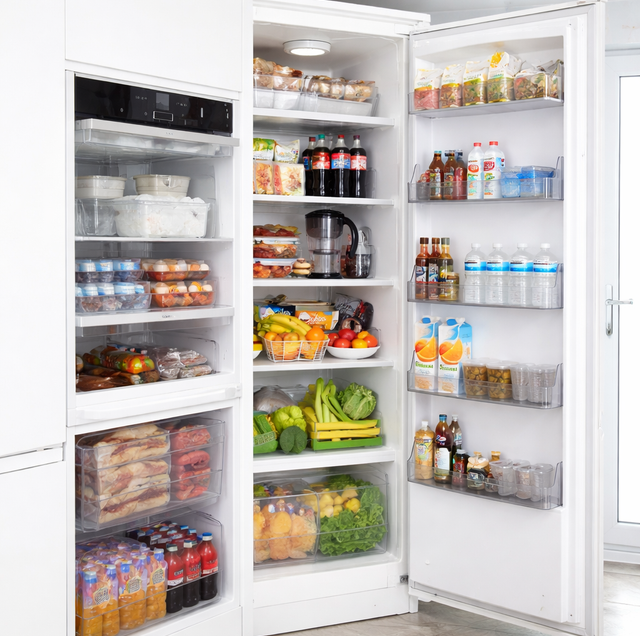
Quick Answer: Food freezing in the fridge section means the compartment is colder than the roughly 37°F it should hold. Start by raising the temperature setting, keeping the fridge about three-quarters full, and moving items off the rear vents and away from the back wall. If it keeps freezing, a stuck air damper, a failed thermistor, or a faulty control board is likely the cause, and those are technician repairs.
Opening the crisper drawer to find frozen lettuce, or pouring milk that comes out slushy, points to one plain fact: the fresh-food compartment is running colder than it should. The fridge section is meant to hold food near 37°F, cold enough to slow spoilage but well above the point where water turns solid. When produce ices over, cheese goes rock hard, or eggs crack from the cold, the appliance has drifted several degrees too low, and the reason almost always traces to one of three places: the temperature setting, the airflow that carries cold into the compartment, or a control part that is no longer reading or reacting correctly.
How A Refrigerator Actually Cools The Fresh-Food Side
A standard refrigerator makes cold in only one place: the freezer. A single evaporator coil behind the freezer wall pulls heat out of the air, and a fan blows that chilled air across the coil. Part of that air stays in the freezer to hold it near 0°F, and the rest is routed up or over into the fridge section through a duct.
The amount of cold air let into the fridge is metered by an air damper, a small motor-driven or manually linked flap that opens and closes the duct. A temperature sensor called a thermistor reads the actual air temperature inside the fridge and sends that reading to the control board, the appliance's small computer. The board compares the reading to your setting and tells the damper to open wider for more cold or close down to hold steady.
When every part of that chain works, the fridge sits within a degree or two of your target. When any link fails open, too much freezer-temperature air pours in, and the fresh-food side starts freezing whatever sits closest to the vents. Knowing that chain- setting, sensor, board, damper, airflow- makes the causes below easier to sort.
The Simple Causes You Can Check Yourself
Before assuming a part has failed, rule out the everyday reasons a fridge runs too cold. These checks are safe to do with the appliance plugged in.
The Temperature Setting Is Too Low: Dial-style controls marked 1 to 7 or 1 to 5 are the most common culprit. A higher number means colder, and it is easy to bump the dial while wiping shelves or to assume a middle number is a middle temperature when it is not. Set a digital fridge to 37°F, or a dial to the mid-range, then wait a full 24 hours before judging the result. The compartment takes most of a day to settle after any change.
The Fridge Is Nearly Empty: An almost bare refrigerator freezes food more readily than a full one. Cold food and drinks act as thermal mass, holding temperature steady between cooling cycles. With little inside to absorb the incoming cold, the air overshoots and the few items present ice up. Keeping the compartment about three-quarters full, even with jugs of water, steadies the temperature and blunts those swings.
Food Is Sitting In The Coldest Spots: The air blowing in from the freezer duct is the coldest air in the box. Anything pressed against the rear wall or stacked over the vents takes the brunt of it. Leafy greens, eggs, and milk left at the back or directly under the vent will freeze while items on the door stay fine. Pull those foods forward and off the vents, and give the vents a clear path so the cold spreads instead of pooling on one shelf.
An Overpacked Fridge Blocks The Vents: The opposite of a bare fridge causes its own trouble. Cramming shelves so tightly that boxes and bags cover the return and supply vents traps cold air near the duct instead of circulating it. That pocket of trapped air runs far colder than the rest of the compartment, freezing nearby food while the door shelves stay warm. Leave a finger's width of space around the vents.
A Worn Door Seal Makes The Compressor Overwork: The rubber gasket around the door should pull a slip of paper snugly when you close it on the sheet. A cracked, flattened, or dirty seal lets warm room air leak in, which the fridge reads as a constant demand for cooling. The compressor and fan run long and hard to keep up, and that steady blast of freezer air can push the fresh-food side below freezing. Wipe the gasket clean, check for gaps with the paper test, and note any spots that no longer grip.
The Part-Failure Causes That Need A Technician
If the settings, loading, and seal all check out and food still freezes, a component in the cooling chain has failed. These repairs involve reaching near wiring and moving parts, so unplug the refrigerator or shut off its breaker before anyone opens a panel. The work below is a job for a certified technician, not a homeowner.
A Stuck or Broken Air Damper: The damper is the flap that meters cold air into the fresh-food side. When it sticks open, jams from ice buildup, or its little motor fails, the duct stays wide and freezer-temperature air floods the compartment nonstop. A damper stuck open is one of the most common reasons a fridge freezes food while the freezer itself behaves normally. A technician can test the damper motor, clear any ice, and replace the assembly if it no longer seals.
A Failed Thermistor or Temperature Sensor: The thermistor is the sensor that tells the board how cold the fridge actually is. When it drifts or fails, it can report the compartment as warmer than it truly is, so the board keeps calling for more cooling that the fridge does not need. The result is a compartment driven well below its target. A technician measures the thermistor's resistance against its temperature chart to confirm the fault before swapping it.
A Faulty Control Board: The control board is the computer that reads the thermistor and commands the damper and compressor. A board with failed relays or damaged circuits can hold the damper open, run the compressor too long, or ignore the sensor entirely, any of which overcools the fridge. Because a bad board can mimic a bad damper or sensor, a technician rules out the cheaper parts first and confirms the board is truly at fault before replacing it.
A note on refrigerant: if a diagnosis points to the sealed cooling system rather than a control part, that work is restricted to EPA-certified technicians by law and by the specialized tools it requires. It is not a task to attempt at home.
Getting The Temperatures Right
Two target numbers keep both compartments in range. The fresh-food side should hold near 37°F, cold enough to slow bacteria without freezing produce, and the freezer should sit at 0°F, cold enough to keep food solid and preserve quality.
Place a cheap appliance thermometer in a glass of water in the middle of the fridge overnight for a truer reading than the door display, which measures air rather than food. Check that number before and after any change so you can tell whether the adjustment actually moved the temperature.
Frequently Asked Questions
Crisper drawers usually have a humidity slider that also affects how much cold air reaches the produce inside. Sliding it fully to the high-humidity setting seals the drawer tighter and can trap cold, and many drawers sit directly below a vent. Move the slider toward the middle and relocate the drawer away from the coldest airflow before assuming a part has failed.
Yes, on models that share one evaporator and cool the fridge with air routed from the freezer. Setting the freezer far colder than 0°F means the air metered into the fresh-food side arrives colder too, so the fridge can overshoot even at a correct fridge setting. Bring the freezer back to 0°F first, then readjust the fridge.
It can, indirectly. A refrigerator crowded against a wall or wedged near a heat source runs its compressor longer to shed heat, and longer run times mean more cold air pushed into the fresh-food side. Leaving a couple of inches of clearance around the back and sides lets the condenser breathe and keeps cycles from running long enough to overcool the compartment.
Give it a full 24 hours. A refrigerator does not respond instantly, and the food inside holds its old temperature for hours, which masks whether the change took hold. Judging the result after an hour or two leads people to keep nudging the dial and overcorrecting. Change one setting, wait a day, then measure with a thermometer.
It more often causes the opposite, a fridge that runs too warm, but a heavily clogged coil can make the compressor cycle erratically, and on some models that erratic cycling shows up as uneven cooling with cold pockets. Vacuuming the coils underneath or behind the unit every six months rules this out and helps the appliance hold a steady temperature either way.
A light, even frost on the rear interior wall can be normal on some models because the cooling duct runs behind it, and a brief frost that clears on its own is not a fault. Thick or growing frost, or ice that spreads onto the shelves and freezes food, is a sign of a drainage or damper problem worth having a technician inspect.
Book a diagnostic before more food is lost to the cold — a certified tech pinpoints the damper, sensor, or board fast. True Appliance Services Inc. serves Maryville, Alcoa, and Knoxville. Call (865) 205-8717.
